
The world's best party destinations operate on different frequencies. Some cities never sleep. Others wake up at midnight. These ten locations represent where nightlife culture peaks in 2026: from underground techno temples to beachside megaclubs to rooftop scenes floating above neon-lit streets.
PartyBody provides VIP access and insider entry across these global hubs. Guest list management. Table reservations. Curated experiences that skip the velvet rope entirely.
1. São Paulo, Brazil
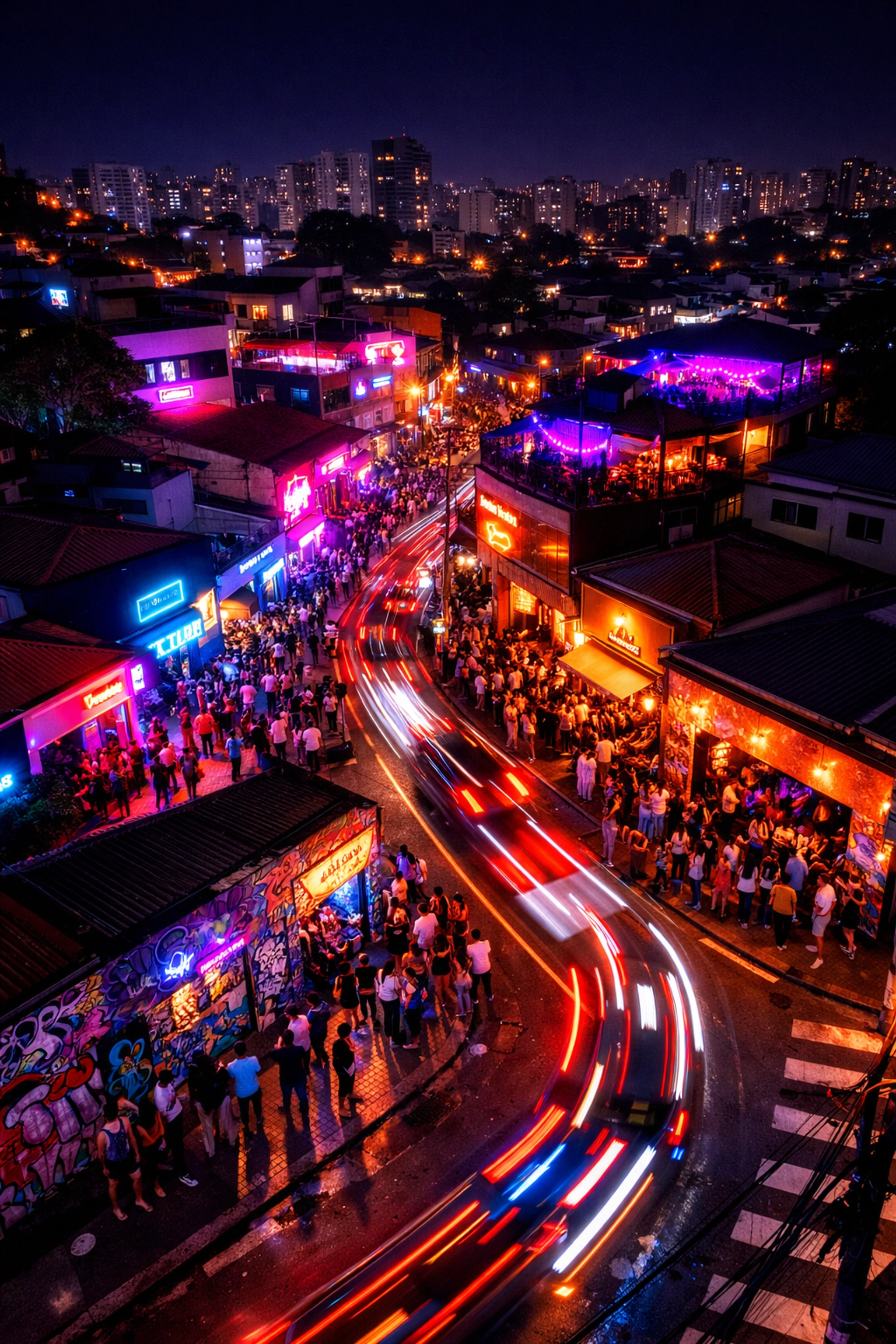
Vila Madalena and Baixo Augusta districts operate seven nights weekly. The city ranks #1 globally for nightlife in 2026, fueled by samba clubs, techno warehouses, and street parties that blur into sunrise.
Venues range from intimate botecos to massive dance halls hosting 3,000+ capacity crowds. The scene never stops, literally. When one club closes, three more are just opening.
PartyBody connects visitors to exclusive São Paulo venues where locals actually party, not tourist traps in Paulista.
2. Berlin, Germany
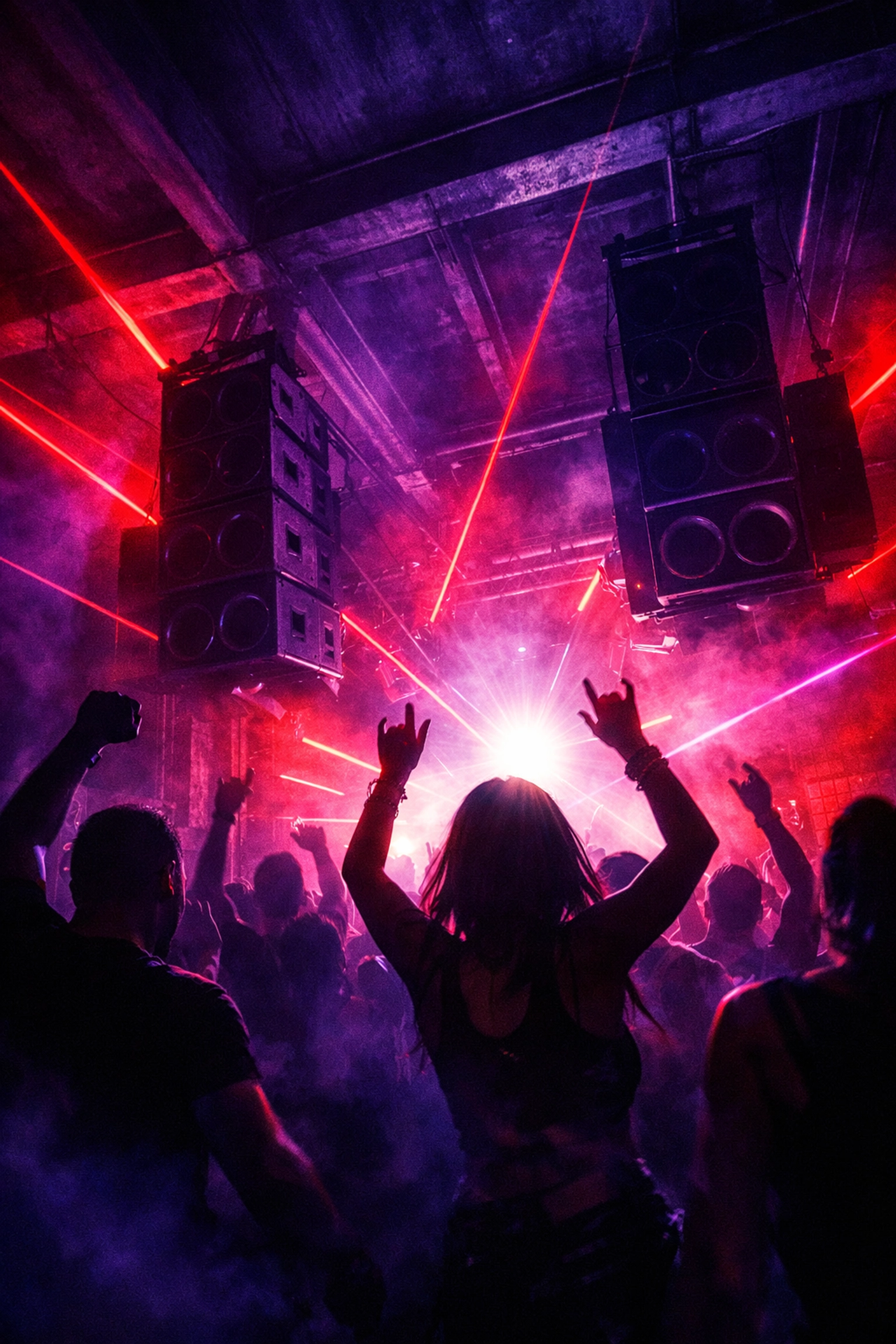
Industrial spaces converted into techno cathedrals. Clubs that run 48-hour marathon sessions. Door policies that remain famously selective.
Berlin built its reputation on Berghain, Watergate, and Tresor: venues where the music matters more than bottle service. Minimal lighting. Maximum bass. Crowds that dance until Monday morning becomes Tuesday afternoon.
The city's underground network extends beyond mainstream clubs into abandoned power plants, former factories, and warehouse districts that reshape every season. PartyBody provides direct access to venues with notoriously strict entry standards.
3. Ibiza, Spain
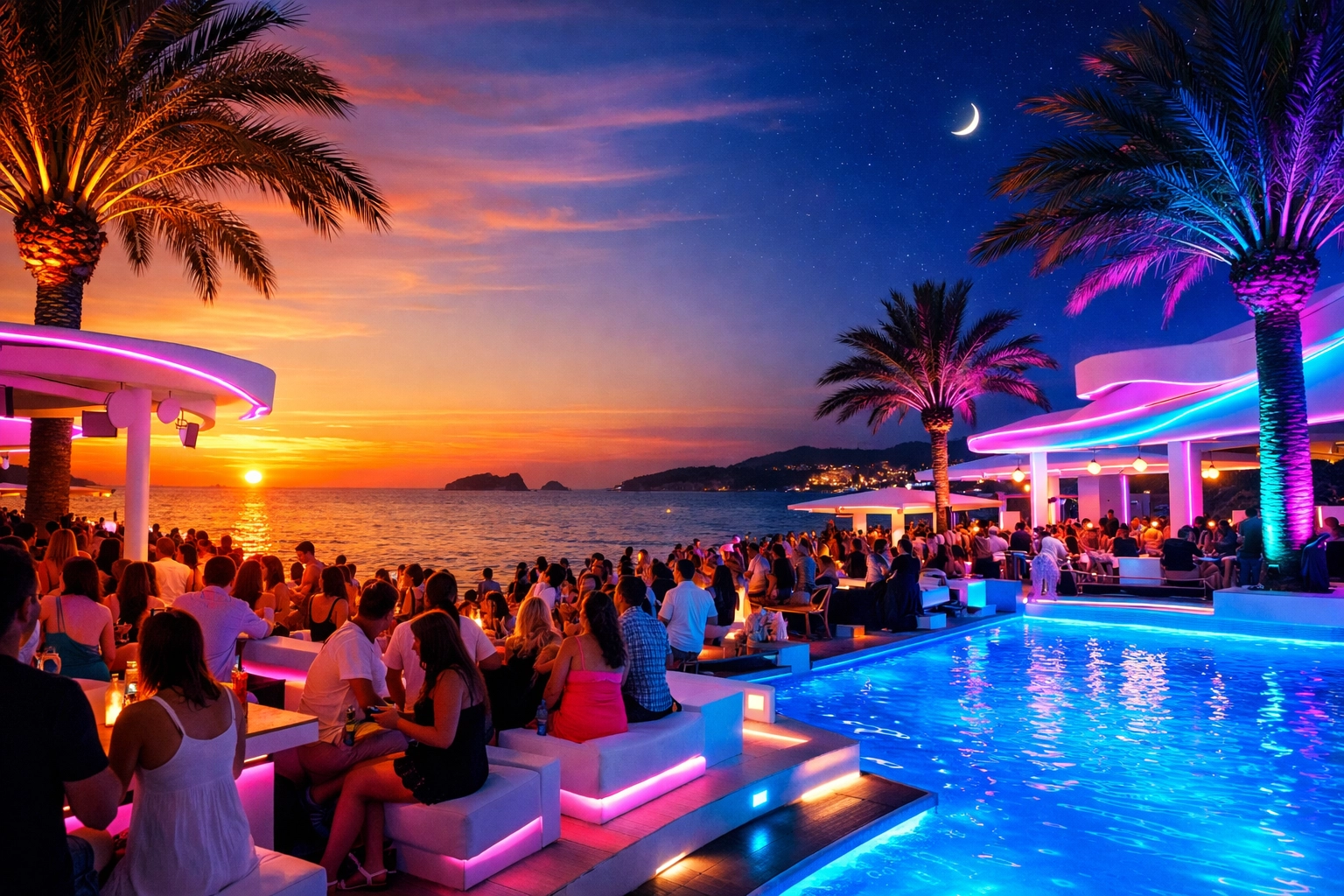
The island operates as nightlife's global headquarters from May through October. Pacha. Amnesia. Ushuaïa. DC-10. These aren't just clubs: they're institutions that define electronic music culture.
Sunset sessions at Café del Mar transition into all-night sessions where the world's top DJs perform until sunrise. Beach clubs by day. Superclubs by night. Boat parties in between.
Peak season brings crowds from every continent. PartyBody secures VIP table access at venues where walk-up entry can mean four-hour waits: or getting turned away entirely.
4. Tokyo, Japan
Traditional izakayas flow into capsule-sized bars flow into multi-floor megaclubs. Tokyo's nightlife geography operates vertically: entire buildings dedicated to different vibes per floor.
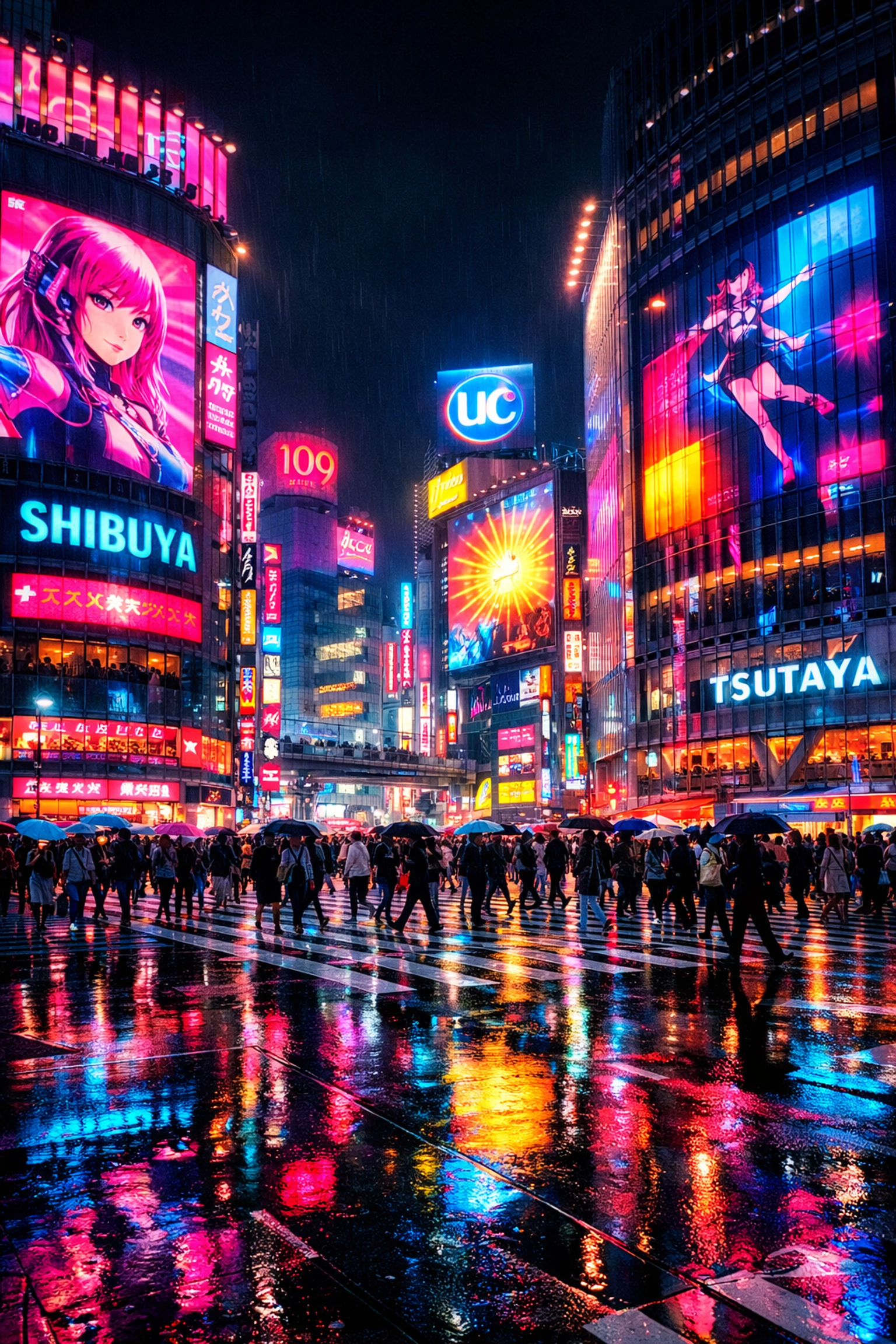
Shibuya brings high-energy dance clubs. Roppongi attracts international crowds. Shinjuku's Golden Gai packs 200+ tiny bars into narrow alleyways. Harajuku offers pop-culture immersion with themed venues and cosplay clubs.
The city enforces strict 1 AM closing times for alcohol sales, but private clubs and late-night districts work around regulations. PartyBody provides entry to members-only venues and exclusive after-hours spaces.
5. Miami, Florida
South Beach. Wynwood. Brickell. Each neighborhood delivers distinct nightlife DNA.
Miami operates on two speeds: ultra-luxe rooftop scenes where champagne flows at $800 per bottle, and gritty warehouse parties where minimal lighting meets maximum sound systems. Latin influences drive the music: reggaeton, dembow, and Miami bass dominate club playlists.
Art Basel transforms December into the most competitive party week globally. Every venue, hotel, and pop-up space hosts events. PartyBody navigates this chaos with pre-secured VIP access to top-tier venues and invite-only parties.
6. Las Vegas, Nevada
The Strip concentrates more nightlife square footage than any other district on Earth. Mega-clubs like Hakkasan, Omnia, and XS pack 5,000+ capacity spaces with theatrical production value: LED screens, pyrotechnics, celebrity DJs earning six figures per night.
Pool parties at Wet Republic and Encore Beach Club operate daily during peak season. Daylight transitions seamlessly into nightclub sessions without leaving the venue.
Las Vegas bottle service prices peak higher than anywhere else globally. PartyBody secures tables at competitive rates and coordinates multi-venue access for groups visiting multiple clubs per night.
7. Barcelona, Spain
Gothic Quarter's narrow streets hide cocktail bars and underground clubs. Port Olímpic stretches beach clubs along the Mediterranean. Gràcia delivers neighborhood authenticity away from tourist zones.
Barcelona's late-night culture starts around midnight. Pre-club dinner scenes transition into bar hopping around 1 AM. Clubs fill between 2-3 AM and operate until sunrise.
Razzmatazz spans five rooms across different genres. Opium combines beach access with dance floor energy. Sutton adapts a mansion into an exclusive club space.
PartyBody provides guest list access to venues where local knowledge determines entry success.
8. Bangkok, Thailand
Khao San Road tourist energy contrasts sharply with Thonglor's upscale club scene and RCA's warehouse district. Bangkok delivers affordability without sacrificing quality: rooftop bars offering skyline views at a fraction of Western prices.
Sky Bar at Lebua towers 820 feet above street level. Levels Club and Lounge dominates as Southeast Asia's largest nightclub. Route 66 sprawls across multiple rooms featuring different music genres simultaneously.
Night markets operate alongside club districts. Street food vendors feed club-goers between venues. The city never fully sleeps: 24-hour culture extends beyond nightlife into markets, transportation, and dining.
9. Tel Aviv, Israel
Mediterranean beaches meet Middle Eastern energy. Tel Aviv's nightlife culture reflects the city's reputation as the region's most progressive party destination.
Clubs line the beachfront from Frishman to Gordon. The Block hosts techno and house music. Alphabet features multiple rooms and outdoor spaces. Breakfast clubs operate Friday mornings as the weekend officially starts.
The city's unique calendar (Friday-Saturday weekends) shifts party patterns compared to Western destinations. Thursday nights rival weekend energy. PartyBody coordinates timing and venue selection based on local scheduling patterns.
10. Paris, France
Champs-Élysées glitz contrasts with Le Marais's underground clubs and Pigalle's gritty music venues. Paris nightlife sophistication operates differently: less about mega-clubs, more about curated experiences in historic spaces.
Concrete floating on the Seine hosts techno sessions. Rex Club remains a house music institution since 1988. Silencio (designed by David Lynch) operates as a members-only late-night venue combining cinema, concerts, and club nights.
Cocktail culture dominates early evening scenes. Wine bars transition into club spaces after midnight. PartyBody provides access to exclusive venues where membership requirements typically restrict entry.
Planning Global Nightlife Experiences
Each city requires different approaches. Language barriers. Local customs. Entry requirements. Dress codes. Payment systems. Transportation logistics between venues.
PartyBody handles coordination across time zones and cultural differences. Guest list confirmations. Table reservations. Transportation arrangements. Local guides who know which venues peak on specific nights.
The world's best nightlife destinations operate with distinct rhythms. Understanding those patterns: and having insider access: separates memorable nights from wasted evenings waiting in wrong lines at wrong venues.
Global nightlife culture continues expanding. New cities emerge. Established destinations evolve. The clubs that defined scenes five years ago might be empty in 2026, replaced by new venues in different neighborhoods.
Current trends favor authentic local experiences over tourist-focused mega-clubs. Smaller capacity venues. Underground locations. Music-first environments where production value comes from sound systems rather than LED spectacles.
PartyBody maintains updated networks across major nightlife cities, tracking which venues currently dominate and which are declining. Real-time information matters when club popularity shifts quarterly rather than annually.